
How many units do you actually need?
Start with OSHA 1926.51(c), which sets 1 toilet for 20 workers or fewer on a construction site, then adds a seat and urinal per 40 workers once you pass 20. That's the baseline Pembroke Pines contractors use when bidding jobs. Events run differently. ANSI/PSAI Z4.3 treats one unit as good for 10 users across a 40-hour week, which is why a Saturday wedding needs more units per guest than a five-day job site does. If your crew works with paints, coatings or solvents, OSHA 1926.51(f)(1) requires washing facilities on top of toilets, not instead of them. Run the math before you call, and check how many porta potties do I need if the headcount is mixed or the schedule is irregular. A standard porta potty rental covers most job sites. Weddings and fundraisers usually want a deluxe flushable porta potty instead, since guests notice the difference.
What does a unit need in terms of space and access?
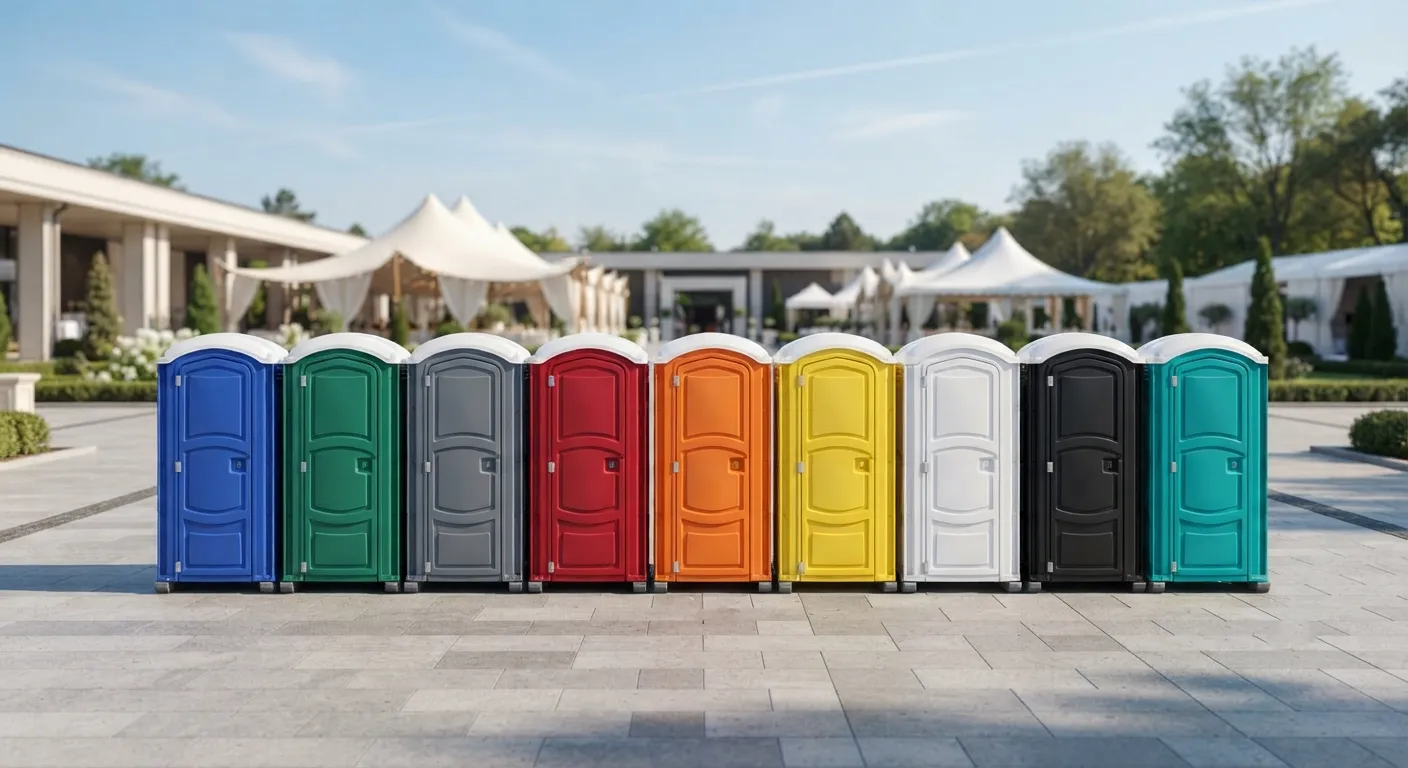
A standard unit runs about 44 by 48 inches on the ground and stands roughly 92 inches tall, so measure the pad before delivery day, not after the truck arrives. If you're renting a restroom trailer rental instead, plan for a service truck that needs about 60 feet of straight clearance behind it, same as a roll-off. Ground has to be level and firm; ADA Standards section 302.1 calls for stable, slip-resistant surfaces, which matters even outside accessible units because mud and gravel shift under a full tank. Check overhead clearance too, especially near power lines. If the placement sits in a right-of-way or easement, that needs confirming with the City of Pembroke Pines before delivery, since we can't state a blanket rule here. For general placement logic, the porta potty placement guide walks through slope, wind direction and service truck angles in more detail than a checklist can.
Do you need an ADA-accessible unit?
If ten or more standard units are on site, at least one needs to meet accessibility standards, per ADA Standards section 213.2's 5 percent rule. That unit needs a 60 inch turning circle inside per section 304.3.1, a door opening of at least 32 inches under section 404.2.3, and a clear path at least 36 inches wide getting to it, per section 403.5.1. Operable parts like the latch have to work with one hand and no more than 5 pounds of force under section 309.4. An ADA accessible porta potty costs more per day than a standard unit, so build it into the quote early rather than adding it after guests or inspectors show up. Public events in Pembroke Pines, especially anything with vendors or a stage, draw more scrutiny on this than a private backyard job does. The ADA restroom requirements page covers reach ranges and signage if you're planning a larger footprint.
Should you rent by the day, week or month?
Pricing scales with commitment, and the math only works one direction: longer terms cost more in total but less per day.
| unit | day | week | month |
|---|---|---|---|
| standard | $100-$350 | $130-$500 | $125-$325 |
| ada | $200-$400 | $250-$500 | - |
| deluxe | $85-$1200 | $150-$290 | - |
A weekend rental on a standard unit typically runs $125 to $400, which suits a one-day festival or a backyard party better than a weekly rate does. Delivery fees run separately, usually $100 to $150 for a single day, and most companies quote a flat weekly delivery closer to $50 to $150. Compare durations on the porta potty rental cost page, or check monthly porta potty rental if the job runs past four weeks. Short jobs should look at porta potty rental per day pricing instead of assuming a weekly rate is always cheaper; sometimes it isn't, depending on the unit.
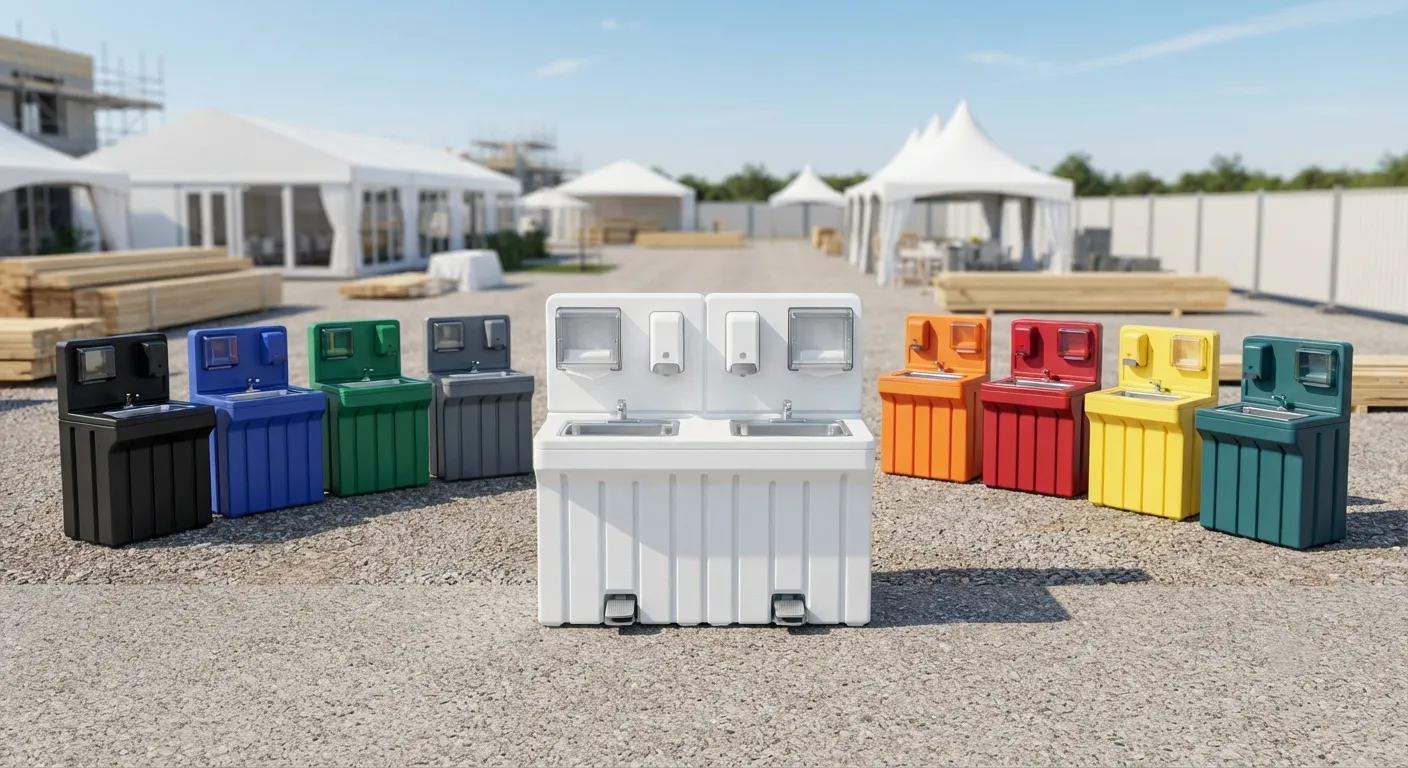
Handwashing is its own line item and its own rule. 29 CFR 1910.141(d)(2) requires soap and towels or a hand-drying device at wash stations; a hand sanitizer bottle doesn't satisfy that. If your crew works with any of the contaminants named under 1926.51(f)(1), a handwashing station rental belongs next to the toilets, not as an afterthought. Pair it with a portable sink rental on food-service jobs, since inspectors look for both together. Farms and agricultural operations fall under a different standard, OSHA 1928.110, which requires one facility per 20 hand-labor employees within a quarter mile walk; see farm and agricultural restrooms for that setup specifically.
Jobs near Cooper City, 6.7 miles northeast, or Southwest Ranches, 8.0 miles northwest, use the same checklist, just with different drive times built into the delivery window. If you're coordinating a multi-site job across Pembroke Pines and Plantation, 15.6 miles northeast, book delivery windows separately for each site rather than assuming one truck run covers both.
How far in advance should I book?
Book standard units at least a few days out for job sites, longer for weekend events since Saturday demand in Pembroke Pines fills fast. Holiday weekends and large festivals need more lead time. Emergency delivery is possible; see emergency porta potty rental if a unit fails or a job starts sooner than planned.
What's the difference between a standard and deluxe unit?
A standard unit is a basic holding-tank toilet, roughly 60 to 70 gallons, built for job sites. A deluxe unit adds flushing, a sink and better interior finish, aimed at weddings and events where guests expect more than a job-site setup.
Do I need a permit to place a unit on my property?
Placement on private property usually doesn't need one. Right-of-way or sidewalk placement needs confirming with the city. See porta potty permit requirements before you finalize a site plan.
How often do units get serviced?
ANSI/PSAI Z4.3 sets one visit per week as the baseline for up to 10 users over a 40-hour week. Busier events need more frequent service; ask about a servicing schedule when you book.
Can I rent a single unit for a one-day party?
Yes. Day rentals exist for exactly this, and a weekend rate often works out better than booking two separate daily rentals back to back for a Saturday event.
Next step
Get a delivery date
Tell us the address, the dates and the headcount. We size the order and confirm the route.