
How do porta potties work on a construction site?
A construction worker running to a porta potty between tasks needs the unit close, sealed, and stocked. The tank sits under a non-flushing bowl. Waste and toilet paper drop straight in, mixing with the blue chemical that starts breaking things down and locking in smell. There is no water hookup, so nothing here works like a household toilet. A vent stack pulls odor up and out through a screened pipe instead of back into the stall. Foot traffic on a busy job site fills tanks faster, so Pembroke Pines Porta Pros checks capacity against crew size before setting the pump schedule. OSHA 1926.51(c) sets the ratio: one toilet for 20 workers or fewer, then one toilet and one urinal per 40 workers up to 200. Crews planning headcount should look at how many porta potties do i need before ordering, and general contractors juggling multiple site needs can bundle sanitation into broader construction site services. For placement rules around clearance and ground surface, the porta potty placement guide covers what a crew needs to check before drop-off.
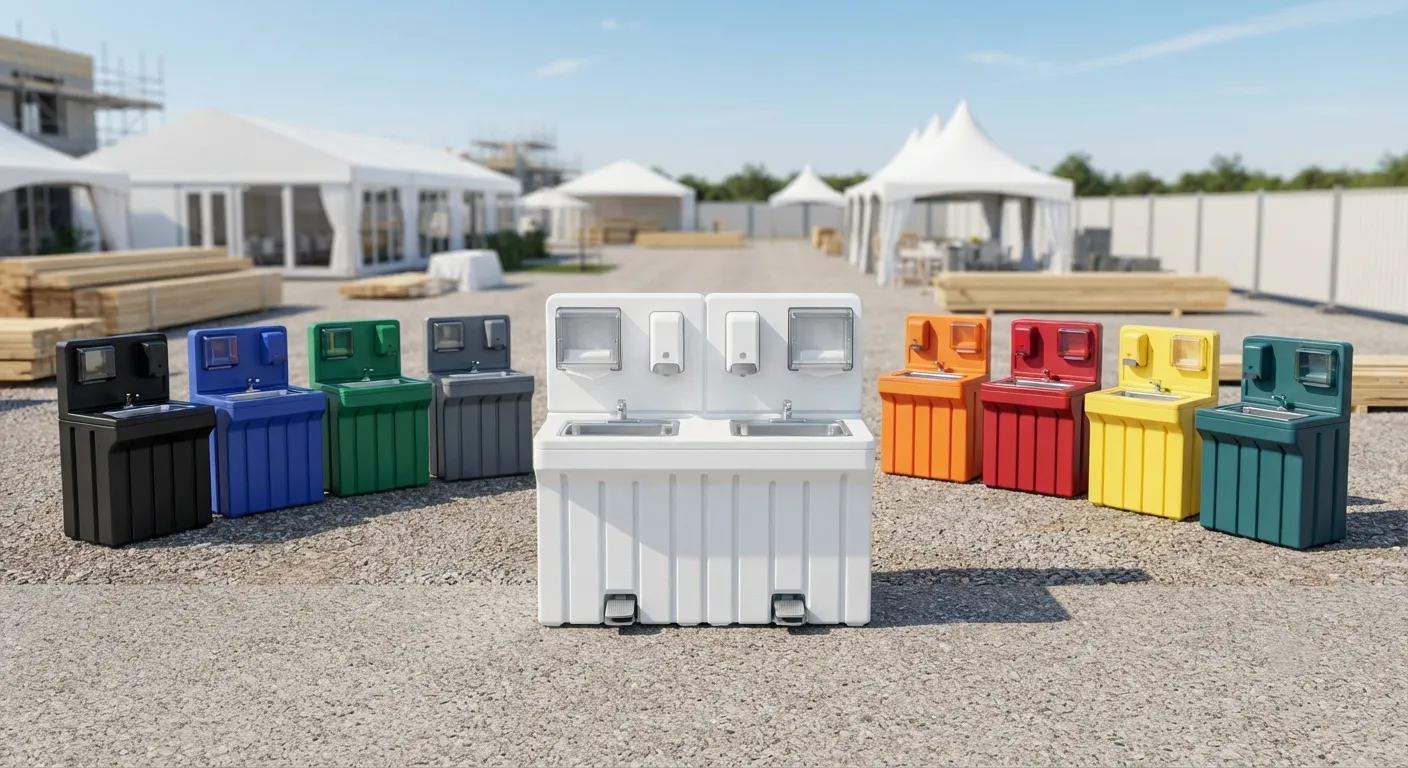
How does a portable sink work?
A portable sink is not connected to a well or city line. It runs on a built-in freshwater tank, usually gravity-fed or foot-pump operated, that pushes water through a small faucet into a wastewater tank underneath. Soap sits in a side dispenser. Under 29 CFR 1910.141(d)(2), a handwashing setup needs soap and towels or a hand-drying device; sanitizer alone does not meet that standard. That is why crews doing paint, coating, herbicide, or insecticide work need real washing facilities on hand, not just gel, per OSHA 1926.51(f)(1). A handwashing station rental or standalone portable sink rental covers that gap. Pembroke Pines Porta Pros refills the freshwater tank and empties the gray water tank on the same route as the toilet service, so nothing sits stagnant for weeks. Crews unsure which unit fits their crew size can check handwashing requirements before booking.

How do flushable porta potties work?
Flushable units, sometimes called deluxe or VIP toilets, use a small onboard freshwater tank and a hand-pump or foot-pedal flush that pushes water into the bowl and down into a separate holding tank. It looks and feels closer to a bathroom at home, but it still has no sewer line. Everything stays contained until the service truck comes out. These units cost more to rent because they hold two tanks instead of one and need more frequent servicing. A deluxe flushable porta potty makes sense for weddings, corporate events, or any job where guests expect something nicer than a standard box. For year-round comfort needs, a full restroom trailer rental goes further, with sinks, mirrors, and multiple stalls, and the 2 stall restroom trailer is a common starting size for small gatherings around Pembroke Pines.
Why do camping porta potties smell different?
Camping units usually get less servicing than a job site rental, sometimes once a week under the baseline interval set by ANSI/PSAI Z4.3 for up to 10 users over a 40-hour week. Heat speeds up odor buildup, and South Florida heat is no exception. The chemical used matters here. Standard portable toilet chemicals near me searches usually turn up the same blue formaldehyde-free deodorizers most rental companies stock, which break down waste and mask odor between pump-outs. For campers or remote sites, a camping porta potty with a larger tank stretches the interval between service calls. Anyone comparing an outhouse to septic-connected plumbing should also understand how a fixed system differs: a residential septic tank is typically pumped every 3 to 5 years depending on tank size and household load, a very different maintenance rhythm than a rental unit serviced weekly. Homeowners curious about that side of things can read how often to pump a septic tank or check septic tank cleaning for the full process.
Pricing snapshot
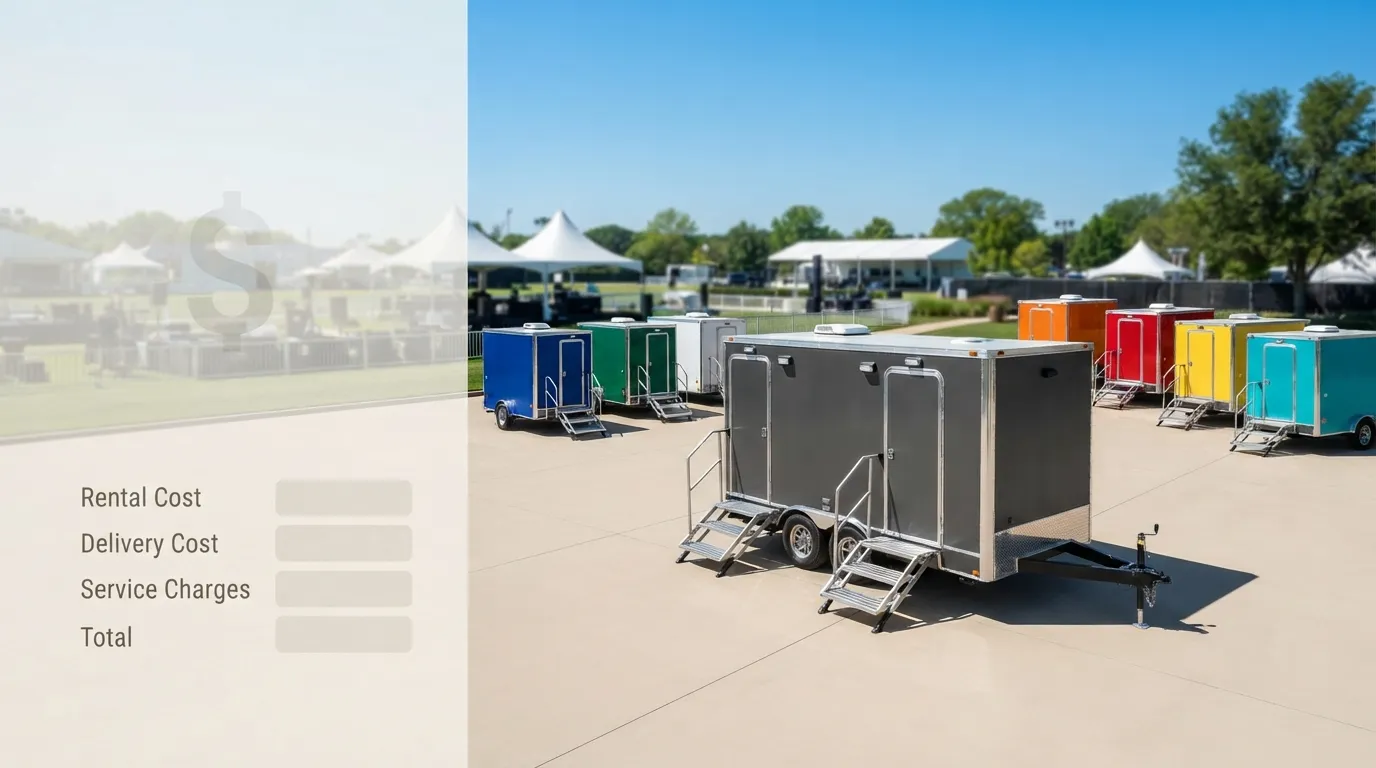
| Unit | Day | Week | Month |
|---|---|---|---|
| Standard | $100-$350 | $130-$500 | $125-$325 |
| ADA-accessible | $200-$400 | -- | -- |
| Deluxe flushable | $85-$1200 | $150-$290 | -- |
Full breakdowns live on the porta potty rental cost page, with day-rate detail on porta potty rental per day and long-term numbers on monthly porta potty rental.
How often does a porta potty get pumped?
It depends on usage, but weekly service is standard for job sites and events under ANSI/PSAI Z4.3's baseline interval for up to 10 users over 40 hours. Busier sites need twice-weekly visits. See how often are porta potties cleaned for scheduling detail.
Do porta potties need an ADA-accessible option?
Yes, when units are clustered. ADA Standards section 213.2 requires at least 5 percent of clustered single-user units to be accessible, never fewer than one. An ada accessible porta potty meets the 60-inch turning circle required under section 304.3.1.
Can a porta potty run out of chemical mid-rental?
It can on a heavy-use site if service intervals stretch too long. Pembroke Pines Porta Pros tracks usage against the OSHA 1926.51(c) ratio and adjusts pump frequency before that happens, especially on multi-week construction dumpster rental sites running alongside toilets.
Is a holding tank different from a septic tank?
Yes. A holding tank stores waste with no treatment or drain field, emptied by truck on schedule. A septic tank treats waste on-site and gets pumped every 3 to 5 years. Renters comparing options can check holding tank rental for job sites too remote for regular units.
Does Pembroke Pines Porta Pros deliver outside the city?
Yes, service reaches nearby communities including Cooper City 6.7 miles northeast and Southwest Ranches 8.0 miles northwest. Full coverage is listed on service areas, with dedicated pages like porta potty rental in Cooper City, FL.
Next step
Get a delivery date
Tell us the address, the dates and the headcount. We size the order and confirm the route.